.webp)

Spring on the Beaches is the best of it. The bush comes alive, the days stretch out, and the dogs are back in the parks and on the sand. It is also the start of tick season. From now until early summer, the paralysis tick is the reason a healthy dog can be in serious trouble within days.
THE PARALYSIS TICK IS NOT LIKE OTHER TICKS
Australia has many tick species, but the paralysis tick, Ixodes holocyclus, is in a class of its own. It produces a potent nerve toxin that causes life-threatening paralysis, and one tick can kill a healthy dog or cat within days if left untreated. It lives along the eastern coast, and the Beaches is one of the highest risk areas in the country. Our bushland, the gardens backing onto national parks, the long grass along the walking trails, all of it is ideal tick habitat. Ticks are here year-round, but numbers surge from spring through to early summer.
SIGNS YOUR PET HAS A TICK
Tick toxin takes time to build up in the body. By the time symptoms appear, your pet has usually been attached for several days, and the early signs are easy to explain away. As the toxin progresses, weakness spreads forward through the body. Breathing becomes laboured, and without treatment, respiratory failure can follow.
Early Signs To Watch For
✔ Unusual tiredness or reluctance to exercise
✔ A change in bark or meow, often softer or hoarse
✔ Gagging, retching or vomiting
✔ Wobbliness in the back legs
IF YOU FIND A TICK, ACT IMMEDIATELY
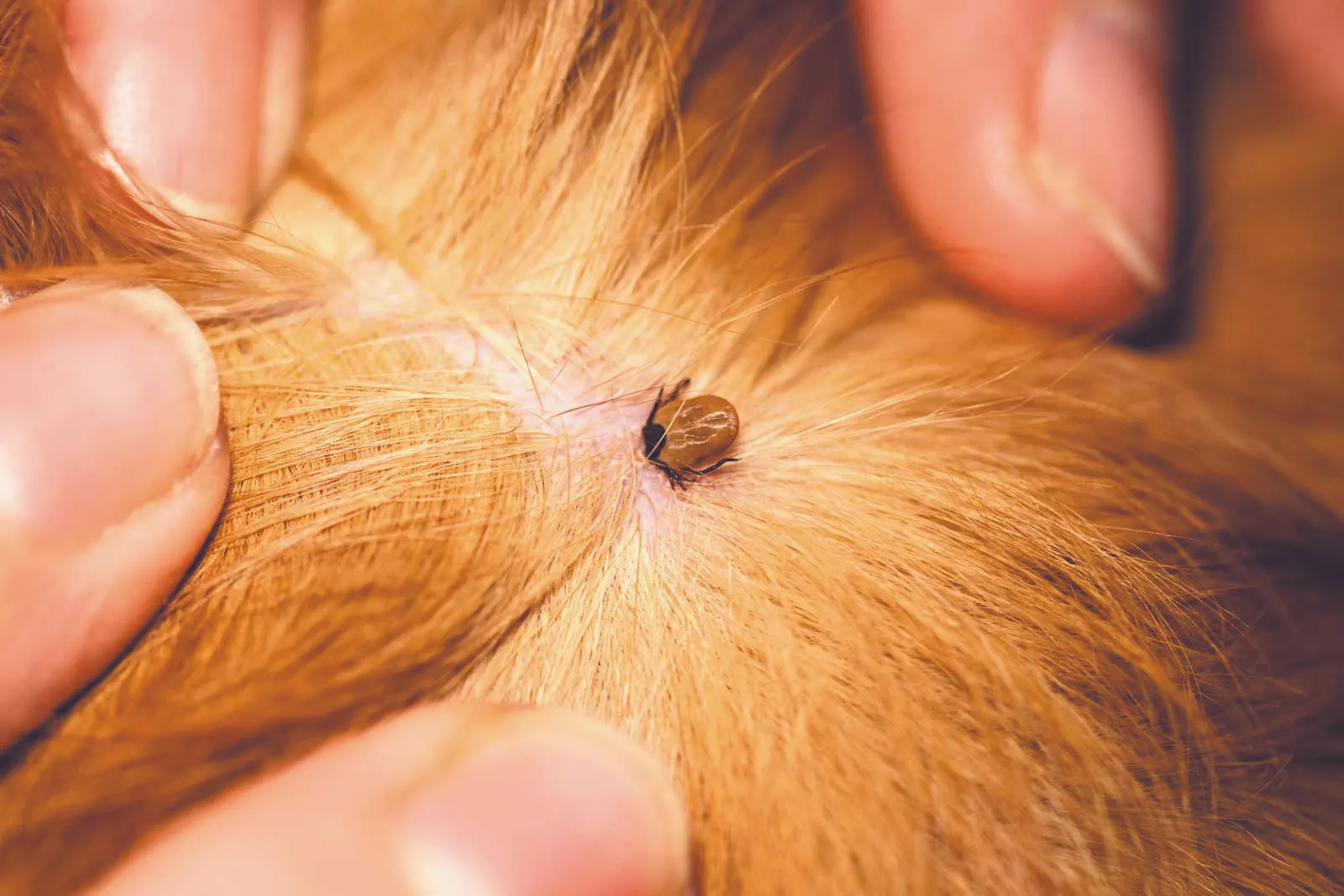
Do not wait to see if your pet improves. Tick toxicity is progressive and the window for treatment narrows quickly.
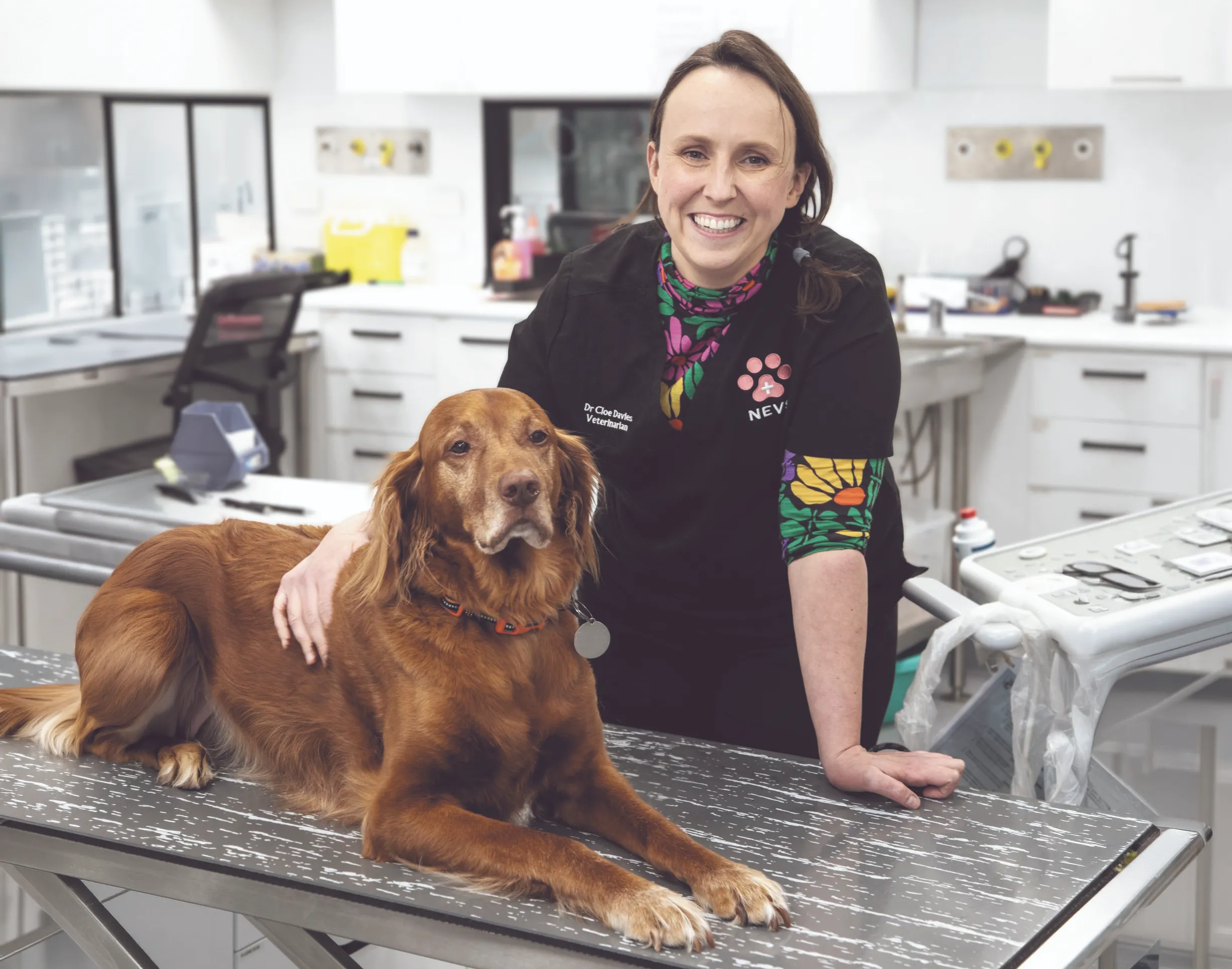
"People tell me they were going to wait until morning," says Dr Cloe Davies, Emergency and Critical Care Clinical Manager at NEVS. "With tick paralysis, morning can be too late."
Remove the tick if you can see it, using a tick twister or fine-tipped tweezers, without squeezing the body. Then call your vet, even if your pet seems relatively well.
Do not offer food or water. Swallowing muscles can weaken or become paralysed, putting your pet at risk of breathing food or water into the lungs.
TREATMENT
Treatment involves administering tick antitoxin to neutralise the toxin, and the sooner it is given the better the outcome. Pets with significant weakness or breathing difficulty often need hospitalisation, oxygen support and close monitoring, sometimes for several days. Most pets treated promptly recover fully. Delay significantly worsens the odds.
PREVENTION IS EVERYTHING
The single most important thing an owner can do is keep their pet on a reliable tick prevention product year-round, not just in the warmer months. Options vary in coverage and duration, so it is worth asking your vet which one suits your pet. No product is a substitute for looking, so check your pet daily through tick season.
The Daily Tick Check
✔ Run your fingers slowly through the coat, nose to tail
✔ Pay close attention to the head, neck, ears and between the toes
✔ Keep the grass short in your garden and clear away leaf litter
✔ Take extra care after walks in bush or long grass
OPEN WHEN EVERYONE ELSE IS CLOSED
Tick paralysis does not wait for business hours. If your regular vet is closed, NEVS in Terrey Hills is where to go. The team is open after hours every day of the year, and tick paralysis is one of the most time-critical emergencies they treat. At any hour, on any day, the doors are open.
NEVS, After Hours Emergency Vet Care | 16 Myoora Rd Terrey Hills | (02) 9452 2933 | nevs.net.au
Photography: NEVS
Share this!