.webp)

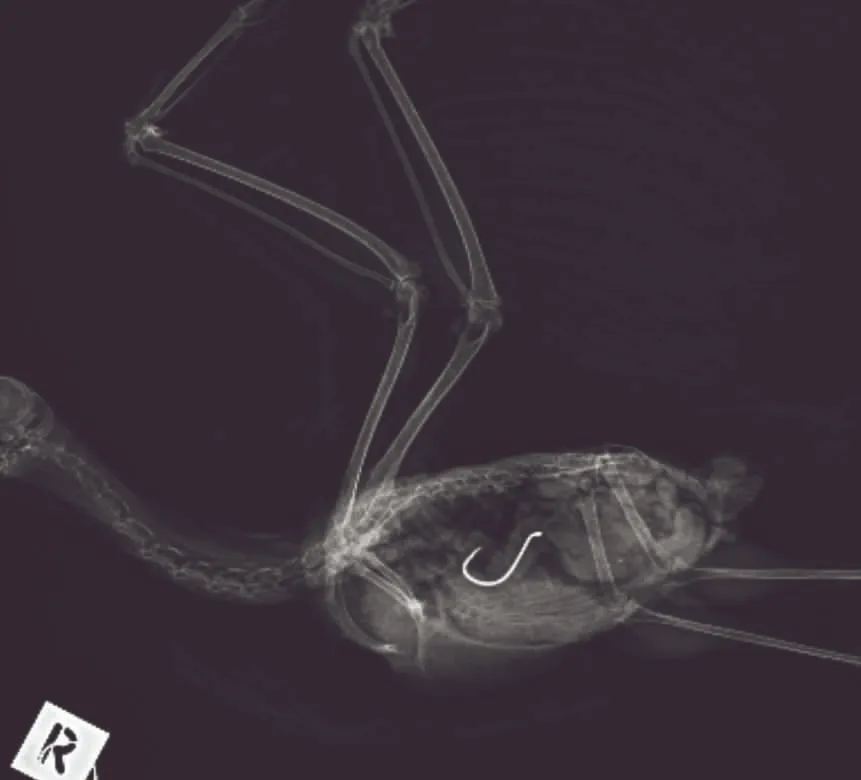
Spring is a popular time to head to the water with a rod in hand, but wildlife rescuers are urging fishers to ensure their hobby doesn't snare an unintended catch.
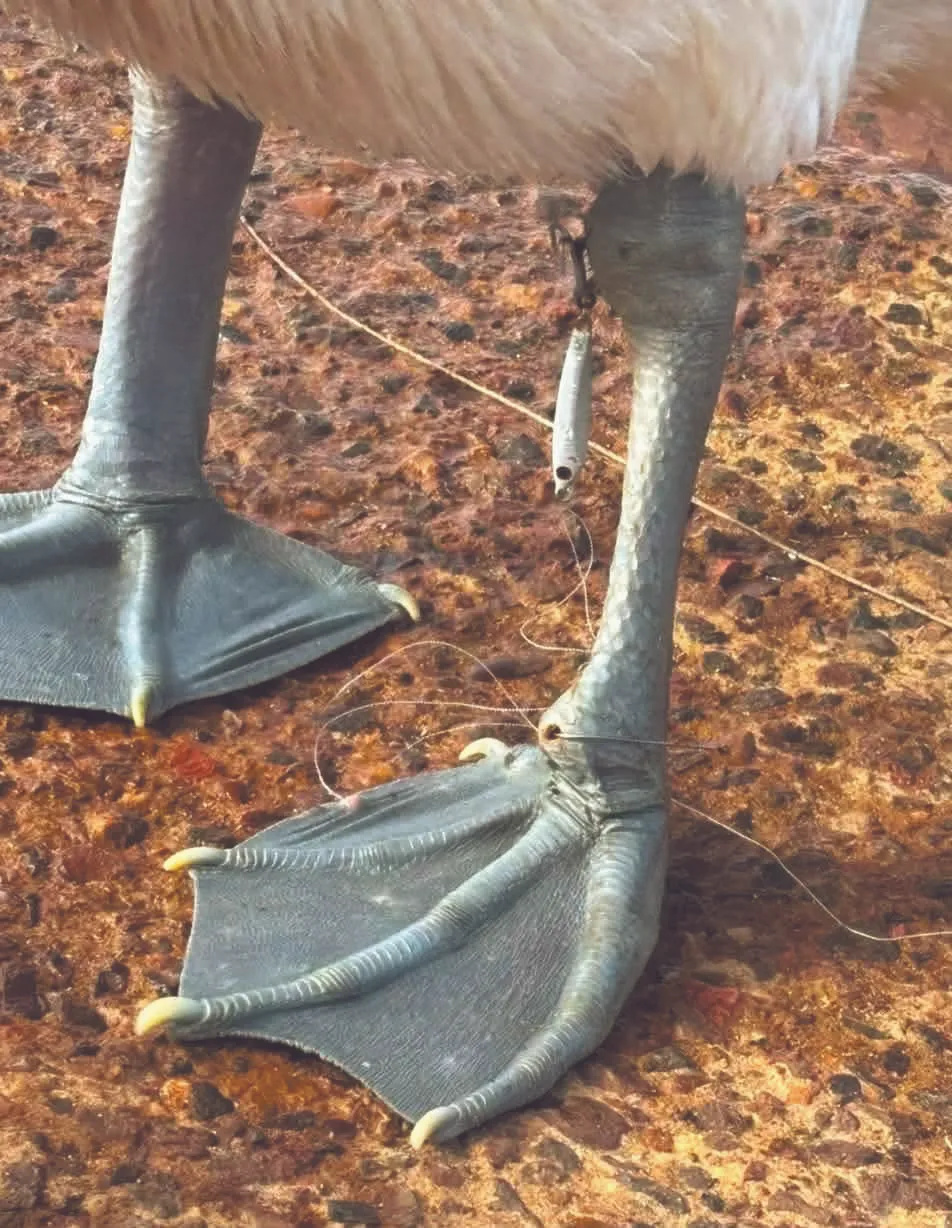
Wildlife carers Beacheswide have been pushing for action about an issue that is becoming increasingly dangerous to our native critters: discarded fishing equipment. Water birds with missing limbs or swollen, constricted feet are becoming an all-too-familiar sight. The culprit is near invisible: fishing line. Hooks can have even more cutting consequences, affecting not only fish but any and all creatures in surrounding habitat.
Black swan chicks, flying foxes, microbats, darters, turtles, goannas, and even wallabies have been among the many victims treated at local veterinary clinics and carers, vet nurses and vets have had enough of the entirely preventable damage.
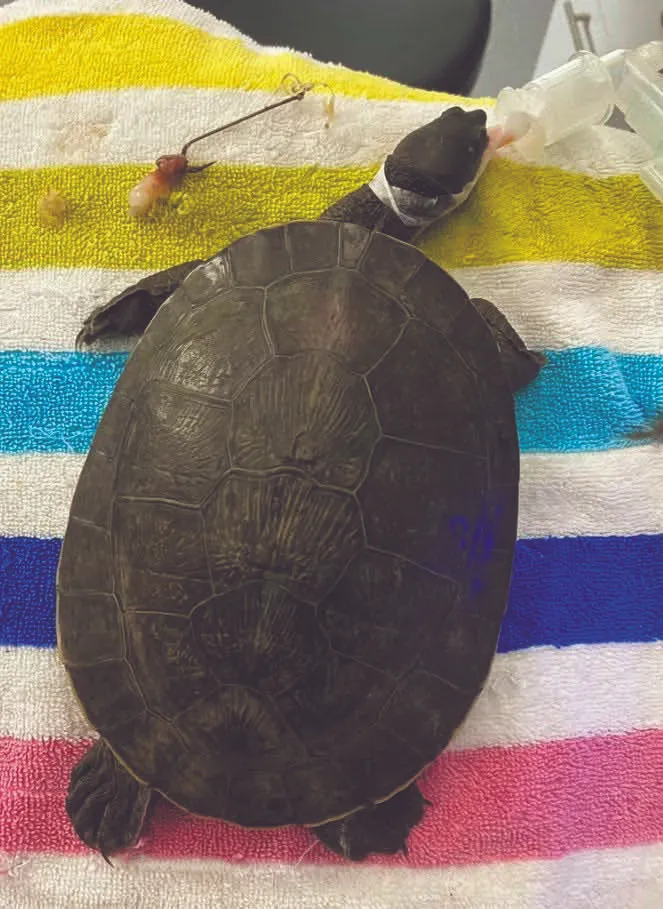
For Beaches residents involved in fishing, it's crucial to restrict the impacts of their leisure.
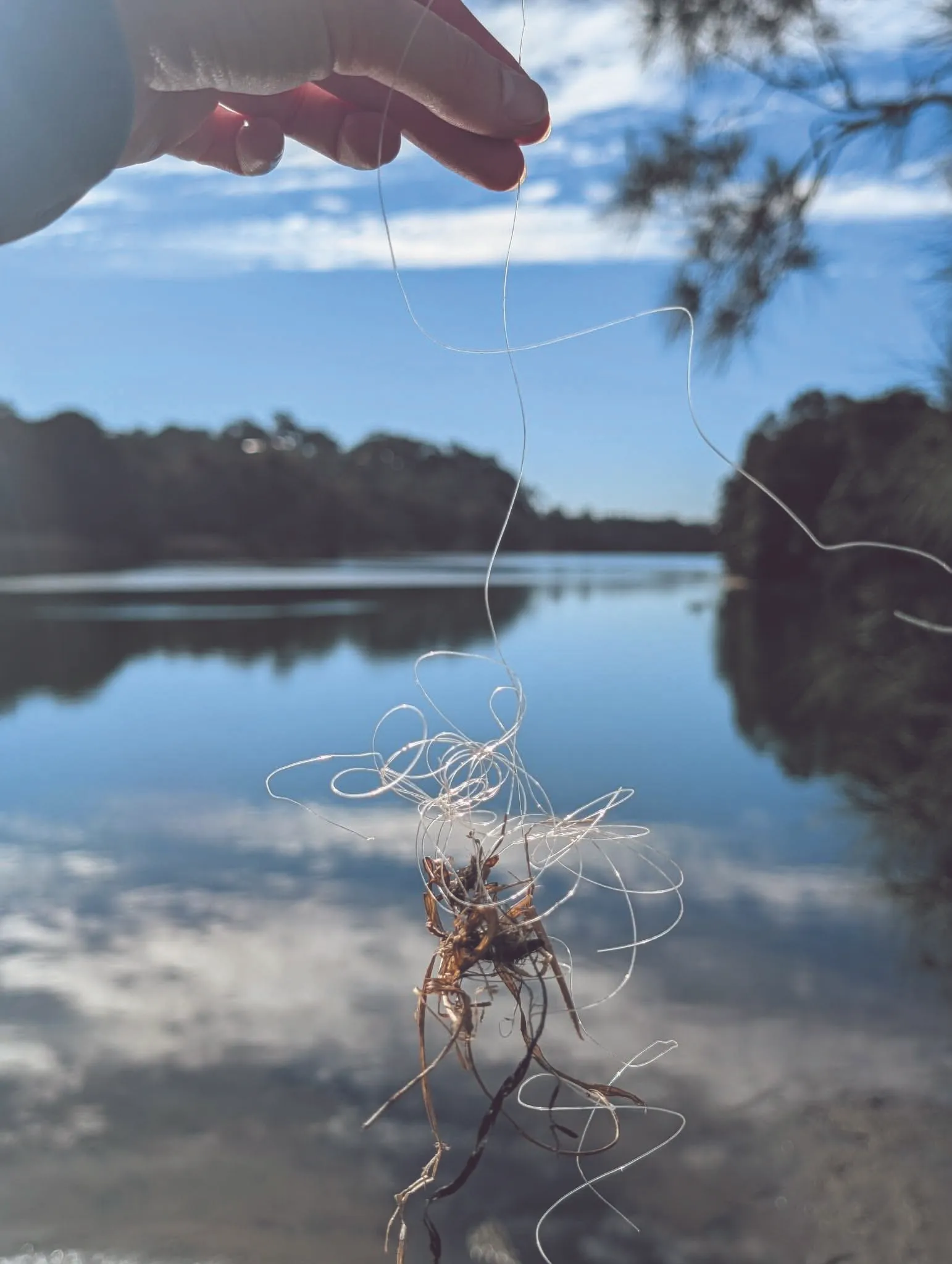
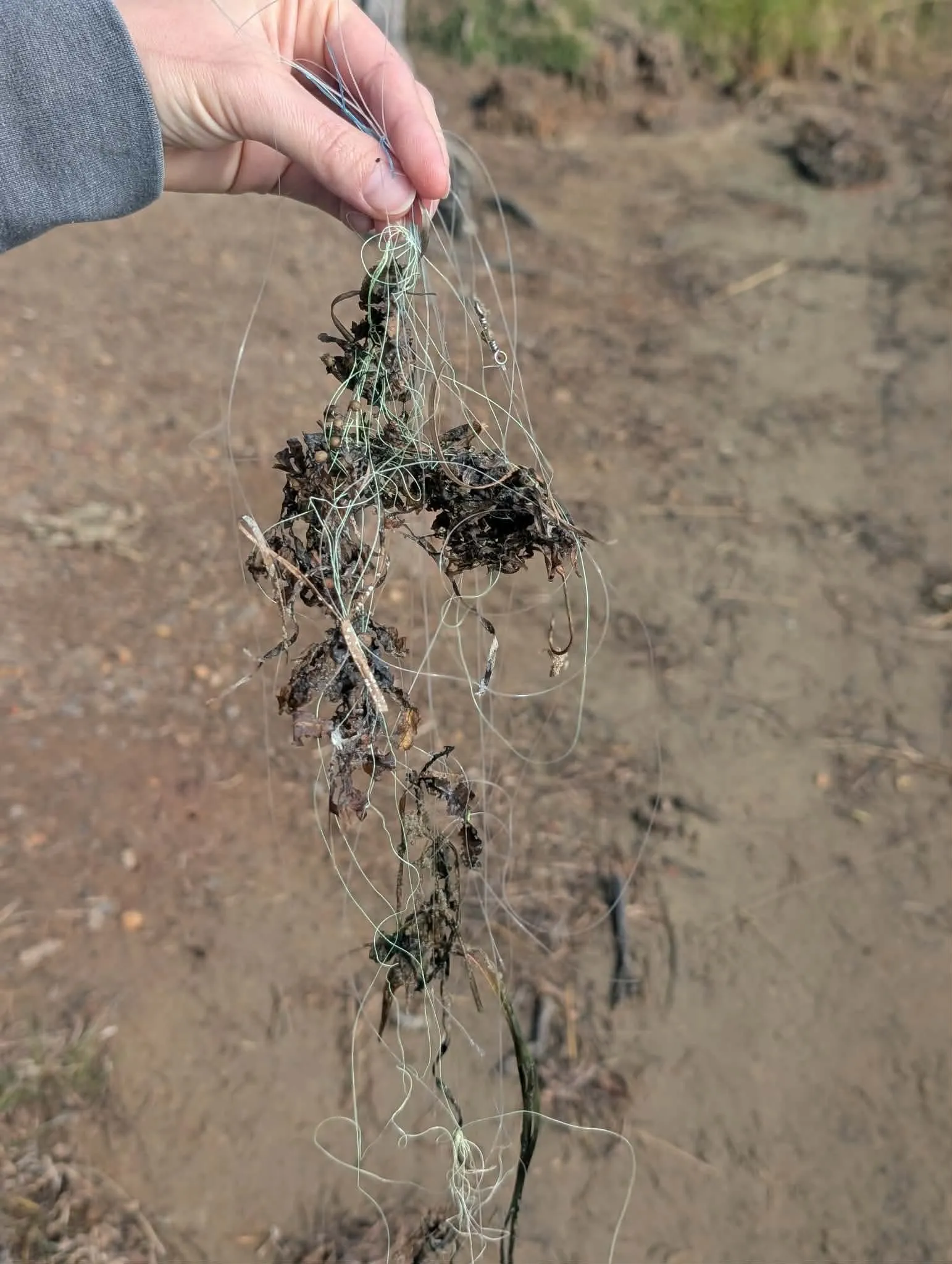
"The amount of fishing line and hooks I found along the shore of Narrabeen Lagoon in just 3 minutes!" TORI ALLEN, VET NURSE AT AVES
No trace should remain once the day's fishing has concluded.
Likewise, parents are encouraged to remind the younger generation of their responsibility towards protecting the environment, and the direct repercussions of neglecting to take all waste with them.
More frequent beach clean-ups, increased public garbage bins, signs at problem areas and heavier policing of irresponsible fishing practices can all contribute to a safer home for the creatures on whose land we live and play, but ultimately personal responsibility is foremost.
Together, let's keep our Beaches fishing litter free.
Tori Allen, vet nurse at Avian and Exotics Service
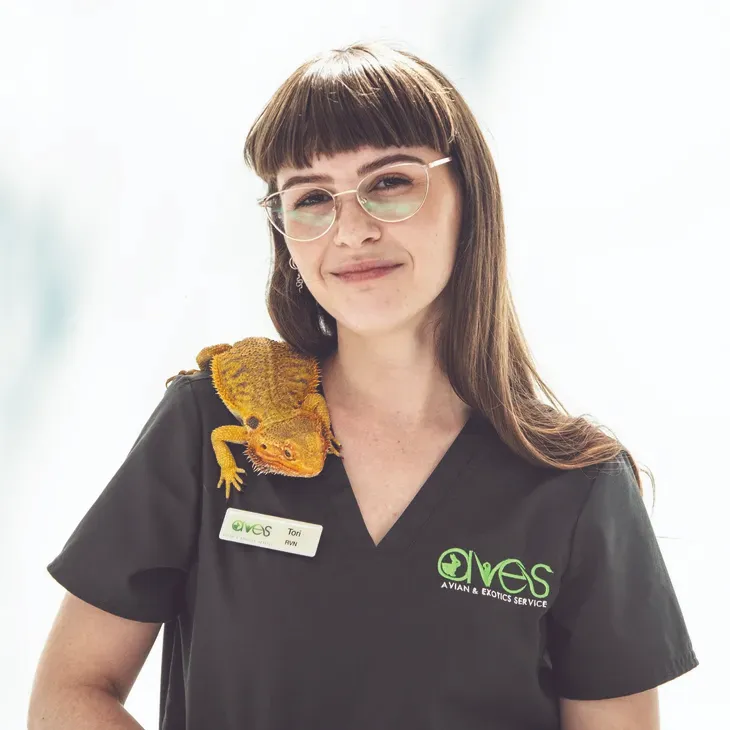
"Across the 8 years I have been a veterinary nurse I have helped with the removal of countless fishing hooks, and as a wildlife carer, I've freed many animals entangled in fishing line.
These cases are a heartbreaking reminder of the dangers of discarded or incorrectly managed fishing equipment. Hooks and line can cause devastating injuries to wildlife. Treatment for fishing hook removal is extensive, including X-rays, sedation, anaesthesia, and advanced endoscopic or surgical removal. This is required to prevent fatal complications such as gastrointestinal perforations and even starvation.
Often, we find that even with extensive intervention, the injuries sustained are far too severe to save the animal. I urge anglers to always discard fishing hooks and lines correctly. If you see an animal with sustained injuries from hooks or fishing line please reach out to a wildlife rescue organisation for assistance or take the animal to a local vet."
Sydney Wildlife Rescue | Hotline: (02) 9413 4300 | www.sydneywildlife.org.au
Photography: Sydney Wildlife Rescue