
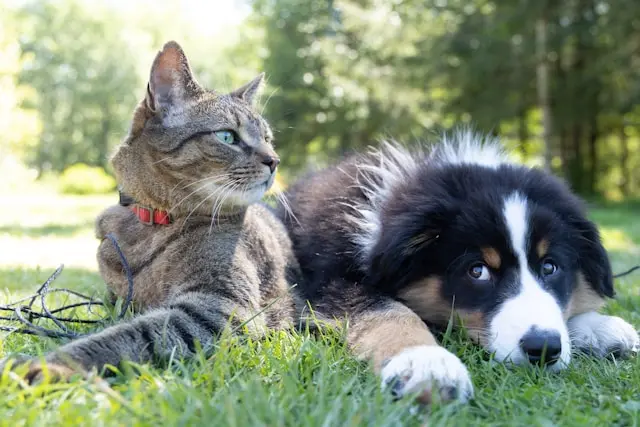
You love your dog or cat unconditionally. Your bank account, however, has conditions. With the cost of living doing what it's doing, more Beaches pet owners are having an honest conversation about what it actually costs to keep an animal healthy, and what happens when you don't plan for it.
Nobody talks about the pet tax. Not really. You see the adoption photo, you feel the feelings, you say yes, and then somewhere around month three, you're staring at a vet bill you weren't expecting, wondering how a creature that weighs four kilos can cost this much.
It's not a reason not to have a pet. It's a reason to go in with your eyes open.
Dr Ben Brown from Sydney Animal Hospitals at Newport and Avalon sees this play out regularly.
"The hardest conversations I have are with owners who genuinely love their animals but haven't been able to budget for what's needed," he says. "A lot of the time, a small amount of planning earlier would have changed everything."
So what does it actually cost? Roughly speaking, a healthy dog on the Beaches will set you back anywhere from $2,000 to $5,000 a year once you factor in food, registration, vaccinations, flea and tick prevention, and at least one routine vet visit. Cats tend to run a little lower, but not by as much as people assume. And that's when nothing goes wrong.
The real financial risk isn't the predictable stuff; it's the 11pm emergency, the swallowed sock, the mysterious limp that won't quit. Emergency vet care can run into the thousands quickly, and it doesn't care about your timing.
The smartest thing you can do, according to Dr Brown, is treat preventative care as the investment it is.
Sydney Animal Hospitals offers one way to take the guesswork out of at least one recurring cost: their LifeVAC program covers annual vaccinations, including a full veterinary health check – for the life of your pet – for a single one-off payment of $750. Vaccinations alone normally start from $137.50 for cats and $212 for dogs each year, so for most pets it pays for itself within a few years and keeps going.
"The animals I see regularly are the ones that tend to stay healthier longer," says Dr Brown. "I get to know them, I notice changes, and owners feel less anxious because they're not waiting until something's wrong."
Programs like LifeVAC also solve a problem many owners don't admit to: forgetting. SAH sends regular reminders, so the annual check-up actually happens rather than slipping quietly into the too-hard basket.
It's also worth looking into pet insurance while your animal is young, before any pre-existing conditions come into play. It won't cover everything, but having it in place means an unexpected emergency doesn't have to become a financial crisis.
Our Beaches lifestyle is one of the best in the world to share with an animal. A little planning means you can actually enjoy it, without the financial dread hovering in the background.
Ask about LifeVac at Sydney Animal Hospitals, with locations in Newport and Avalon.