.webp)

Don't let the end of summer fool you. UV levels can remain high well into Autumn, often reaching 4 by midday, which is still in the moderate risk category. When up to 90% of visible ageing of the skin is caused by sun exposure, why not limit that damage whenever you can?
"Slip, slop, slap, seek and slide" is often only said at the beach. The truth is, the sun keeps shining whether you're standing on sand, running through the bush or reading in a window nook. So, it's time to reset our thoughts about sun safety, making it not just a summer concern, but a daily mantra.
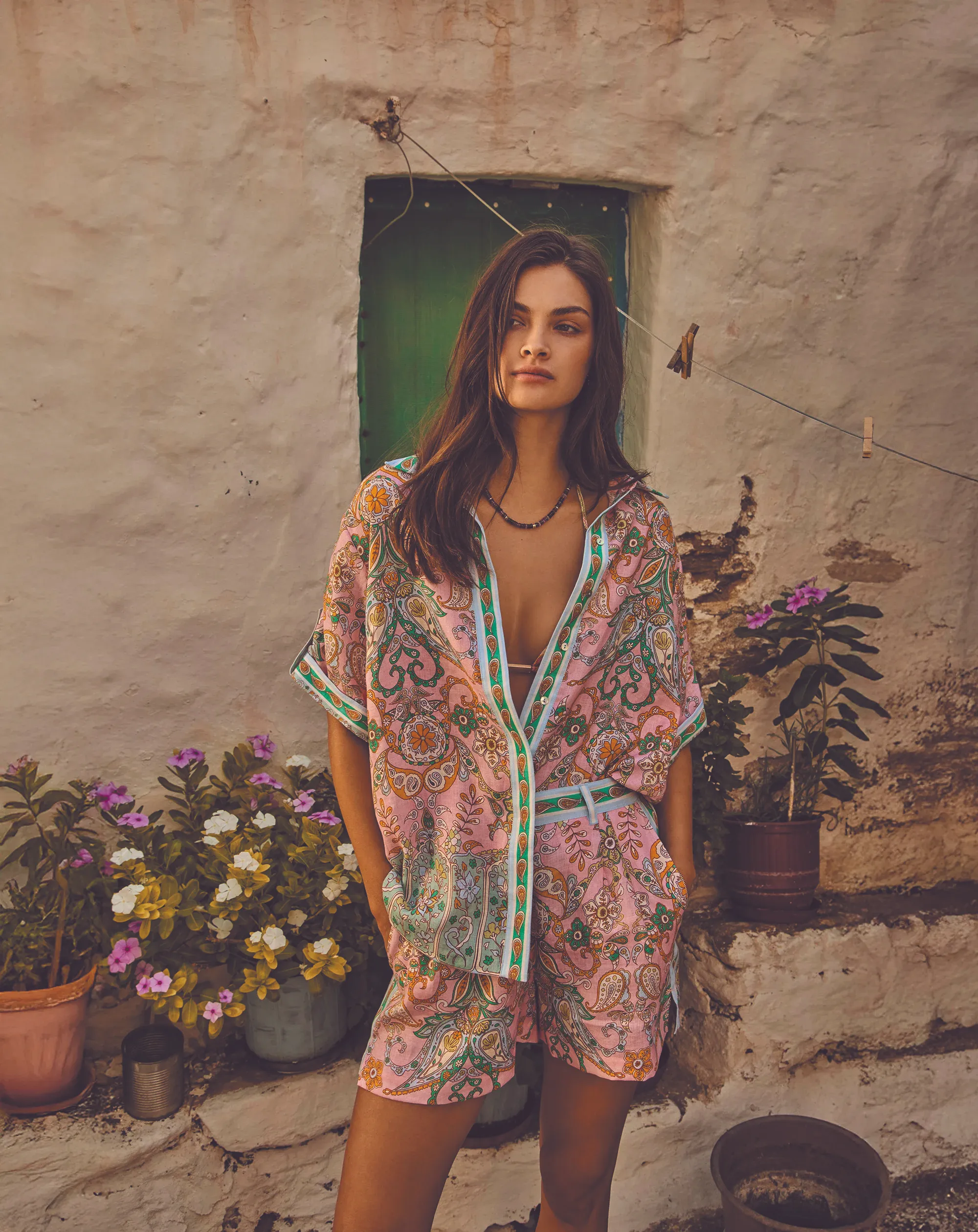
Let's start with slipping on some protective clothing. There are pros and cons to each kind of fabric. Polyester tends to be ideal for outdoor clothing: lightweight shirts can achieve an Ultraviolet Protection Factor (UPF) of 100 or more. This means that it only allows 1 out of 100 rays to your skin. Considering that it's synthetic however, it's less environmentally friendly, so going for recycled or second-hand options is more responsible.
On the other hand, cotton and linen are natural fabrics that feel nice and breathable, but may achieve UPF ratings lower than 10. Finding the best of both worlds, bamboo is softer than polyester, natural in origin, and massively outperforms cotton in sun safety, achieving UPF ratings of 50 or more.
If you're lucky, some brands list UPF values on their labels so you can easily compare. Other things to look out for include fabric thickness (the thicker the better), colour (dark shades are safer) and cut.
If you're anything like me, you'll hop in the car and wince at the sight of your hands withering away in the sun. A simple fix: gloves that cover just the tops of your hands, so you can still grip the steering wheel. You can even find full sun smocks that cover your arms, neck and lap as well, so sunsafe driving doesn't have to depend on the outfit you chose that morning.
Out in the garden? Don't watch your arms freckle. Pull on some slip-on sleeves. Wear a hood and cover that neck. Do what you need to do to make your sun safety foolproof, not dependent on reapplication.
After slip comes slop, and no, it doesn't have to be goopy. Face sunscreens especially have come a long way. Look for brands that say 'sheer', 'acne friendly' and 'non-greasy' for that barely-there feel. Just beware that when it comes to make-up with SPF, it's often impossible to actually apply the amount necessary to achieve that level of protection, so be sure to start with a dedicated sunscreen, always.
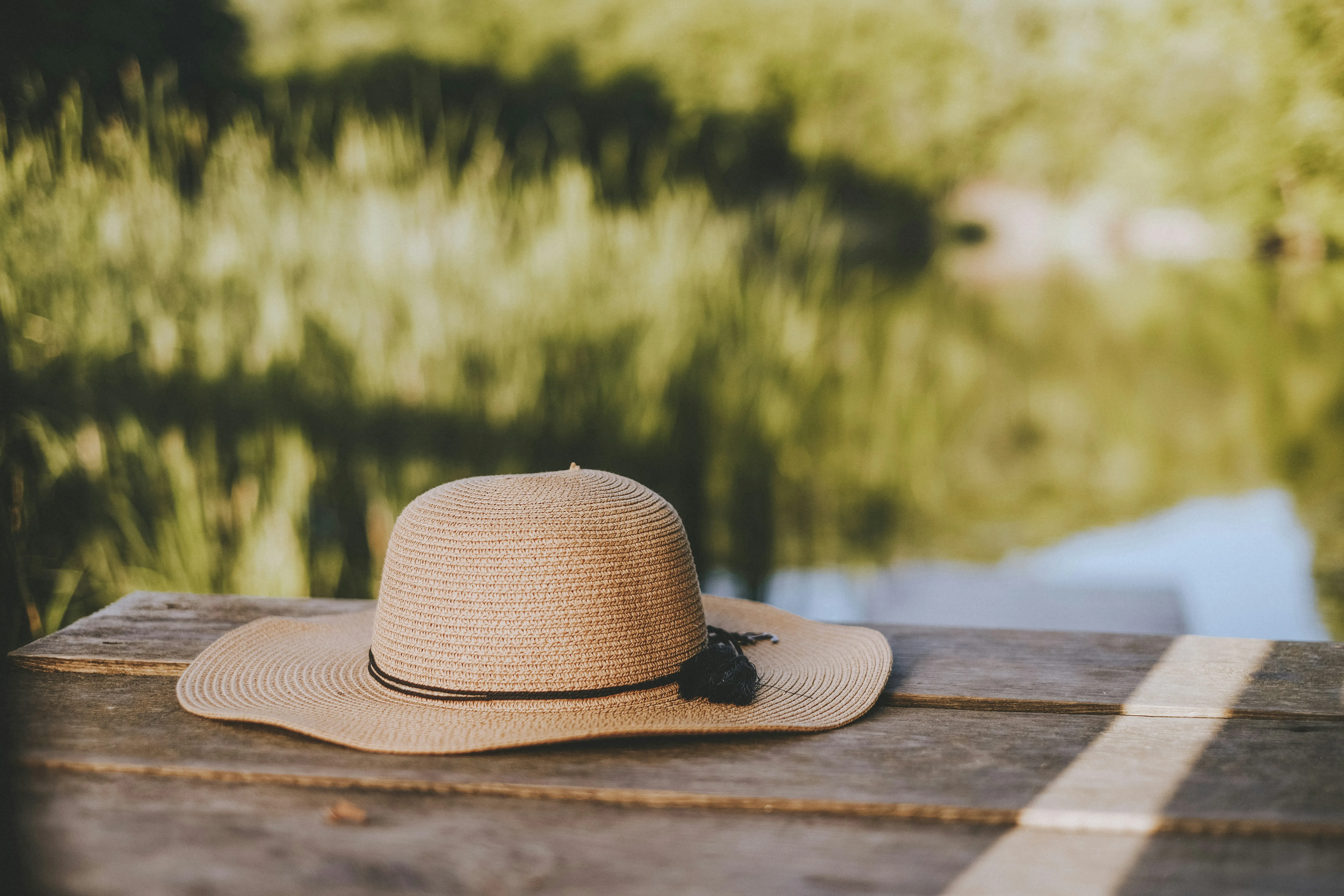
After that, slap on a hat, slide on some shades and seek shade.
Finally, I'd like to add a last, crucial step: schedule. You can prevent as much as you like, but part of sun safety is also to check and treat. Be brave, book an appointment at Northern Beaches Skin Cancer Clinic nbscc.com.au and get checked. Stay safe out there!
SPF Ratings
SPF 15 blocks approximately 93% of UV rays. SPF 30 blocks approximately 97% of UV rays. SPF 50+ blocks approximately 98% of UV rays or more. SPF 50+ is the highest you'll find, as SPF 100 is misleading.
by Kayleigh Greig