.webp)

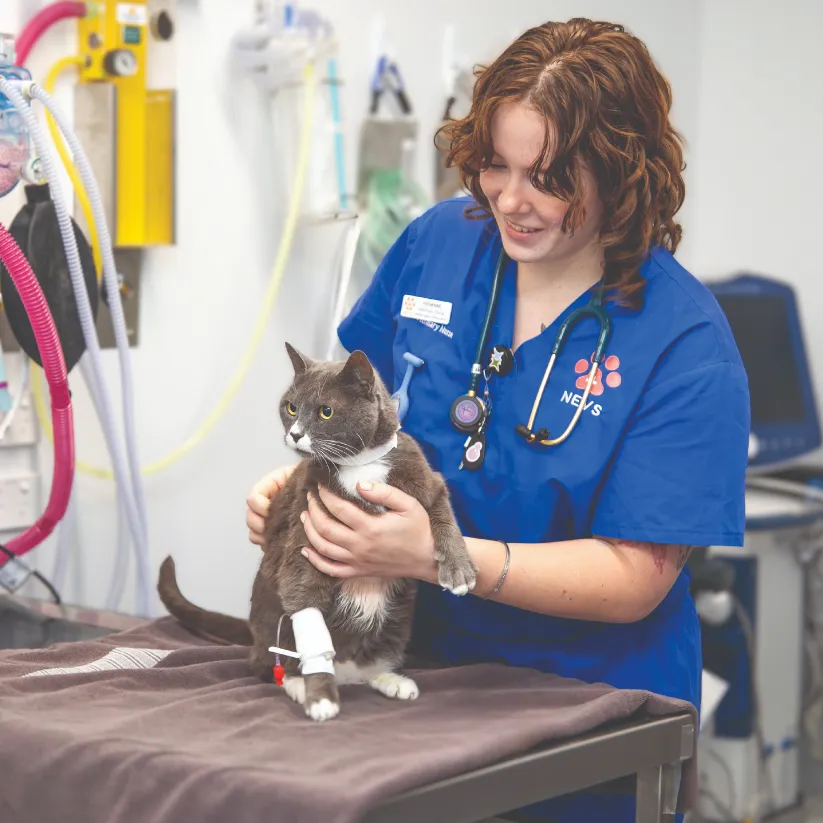
Pets are a joy: they're the ones you cuddle with on the couch or laugh at as they splash in the ocean. But that warm and fuzzy feeling can quickly give way to prickles of panic when one minute everything is normal, and the next your dog is vomiting, your cat is bleeding, or worse. In these moments, panic can be overcome by one thing: preparation.
When your cat or dog shows sudden symptoms of a medical emergency, you can be their hero! Pet first aid isn't often talked about, but it can be the difference between an escalating situation and a stabilised one.
This autumn, as the season shifts and routines change, it's the perfect time to reset your emergency plan too. When you know what to look for and what to do, you can replace panic with action.
Is it an emergency?
Not sure if it's really life or death? Here are some of the most important signs that your pet needs immediate veterinary attention.
Bleeding: If your pet is bleeding, apply firm pressure with a clean cloth or bandage. Limb wounds can be gently wrapped to help control blood loss. Significant bleeding always warrants a call for veterinary advice or immediate assessment.
Hit by a car or other trauma: Even if your pet seems "okay", internal injuries may not be obvious at first. Carry them carefully in a large blanket or towel to support their body. Be mindful that even gentle pets may bite when in pain.
Breathing problems: Get them to the vet as quickly and calmly as possible. If you're able to call ahead, it allows the team to prepare equipment such as oxygen support before you arrive. Keep your pet quiet and minimise stress or exertion during transport.
Seizures: Seizures can be very frightening to witness. Try to stay calm and note the time they begin. If the episode lasts longer than 60 seconds, seek urgent veterinary care. Even shorter seizures are worth a phone call for advice. Keep your hands away from your pet's mouth, as they may bite unintentionally while disoriented.
Tick paralysis: On the Northern Beaches, this is a very real risk. Signs include wobbly legs, breathing difficulty, gagging, retching, or vomiting. Do not offer food or water, and seek urgent veterinary care.
Stings, bites and allergic reactions: Allergic reactions are not always immediate. Monitor closely for 24 hours after a sting or bite. Any potential snake bite should be treated as an emergency.
Eaten something unusual: From chocolate to medications to unknown objects, ingestion emergencies are common. Collect any remaining packaging or contents and call for advice promptly.
If you're ever unsure whether the situation is an emergency or not, please call. It's always better to ask.
Resetting the Plan
Having a plan does not prevent emergencies, but it changes how you respond to them. It gives you clarity in the moment, helps you act quickly and with purpose, and can make all the difference while you arrange veterinary care.
A simple reset includes: saving NEVS's number in your mobile, knowing the fastest route to get there, keeping a basic pet first aid kit at home, and being familiar with early warning signs.
When Things Don't Go to Plan
Life on the Beaches is active. Dogs run, swim, explore bushland, chase balls, steal food off benches and sometimes surprise us in ways we wish they wouldn't. Emergencies don't always happen during business hours.
That's why Northside Emergency Veterinary Service (NEVS) is here, your local emergency team when things don't go to plan. NEVS can help reset the panic and focus on what matters most: getting your pet the care they need, when they need it.
Open after hours. Every day. Because emergencies don't wait for morning. NEVS is here when your pet needs us most.
16 Myoora Rd, Terrey Hills | (02) 9452 2933 | nevs.net.au